316 Stainless Steel Composition, Properties and Industrial Applications
316 Stainless Steel Composition, Properties and Industrial Applications
Introduction: What Is 316 Stainless Steel?
316 stainless steel is a widely used austenitic stainless steel grade known for its excellent corrosion resistance, mechanical strength, and long service life. It is commonly applied in marine engineering, chemical processing, medical equipment, food processing, and high-end construction.
Compared with 304 stainless steel, the main difference is the addition of 2%-3% molybdenum (Mo). This element significantly improves resistance to chloride corrosion, pitting corrosion, and crevice corrosion, making 316 stainless steel suitable for harsh environments such as seawater, chemical media, and high-humidity conditions.
316 stainless steel is internationally recognized as:
- ASTM Grade: 316
- UNS Number: S31600
- China Standard: 06Cr17Ni12Mo2
- EN Standard: 1.4401
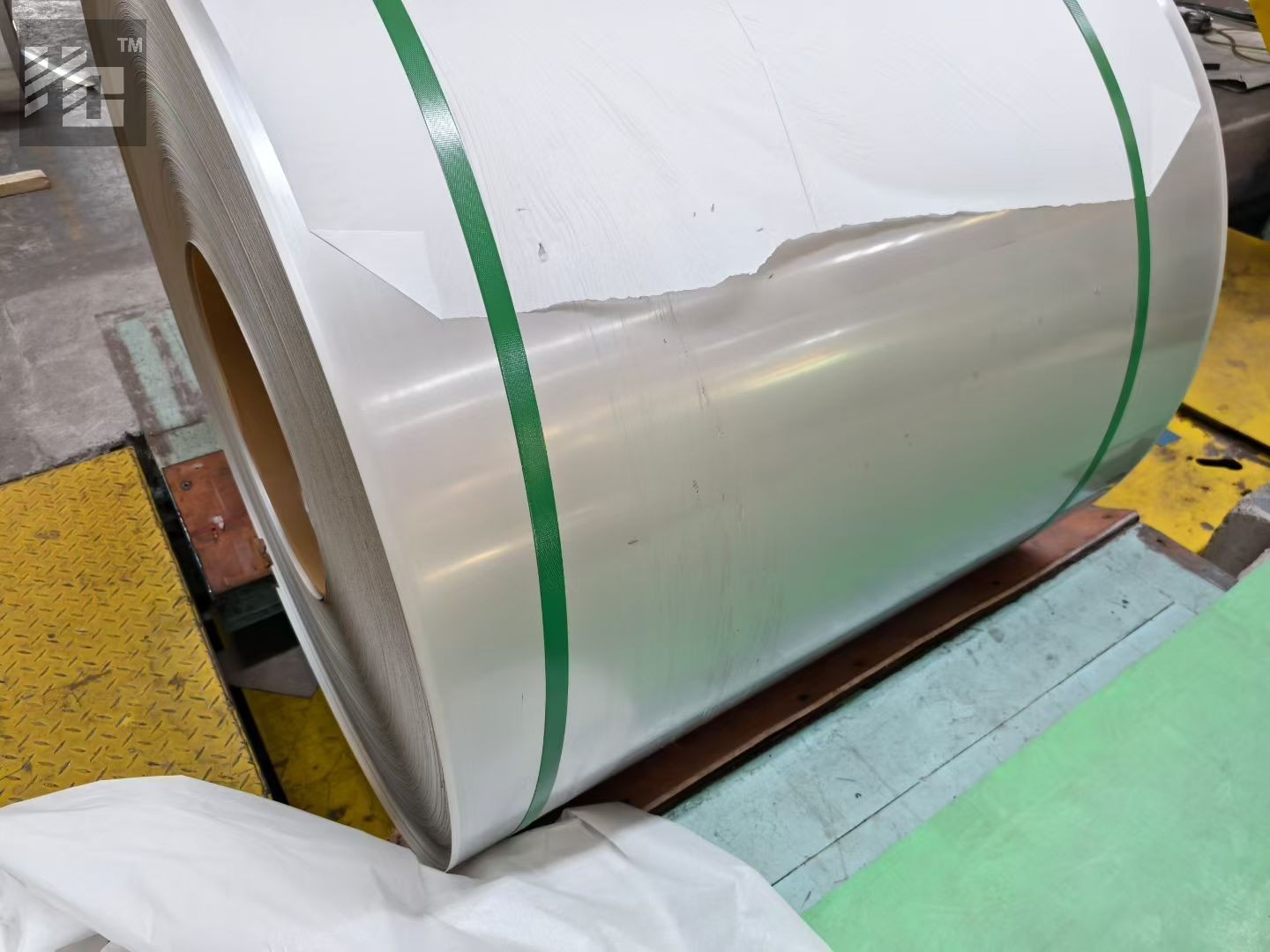
It is available in various forms, including 316 stainless steel plate, sheet, coil, pipe, bar, and customized components.
1. Chemical Composition of 316 Stainless Steel
The superior performance of 316 stainless steel comes from its chromium-nickel-molybdenum alloy composition.
| Element | Content |
|---|---|
| Chromium (Cr) | 16.0%-18.5% |
| Nickel (Ni) | 10.0%-14.0% |
| Molybdenum (Mo) | 2.0%-3.0% |
| Carbon (C) | ≤0.08% |
| Silicon (Si) | ≤1.00% |
| Manganese (Mn) | ≤2.00% |
Role of Main Alloy Elements
Chromium (Cr) forms a passive oxide layer on the surface, providing basic corrosion protection.
Nickel (Ni) stabilizes the austenitic structure and improves toughness, ductility, and weldability.
Molybdenum (Mo) is the key element that distinguishes 316 stainless steel from 304 stainless steel. It enhances resistance to chloride ions, seawater corrosion, and localized corrosion.
2. Mechanical Properties of 316 Stainless Steel
316 stainless steel provides a balanced combination of strength, toughness, and processing performance.
Typical properties include:
| Property | Value |
|---|---|
| Tensile Strength | ≥515 MPa |
| Yield Strength | ≥205 MPa |
| Elongation | ≥40% |
| Density | About 8.0 g/cm³ |
Due to its excellent fabrication performance, 316 stainless steel can be processed by:
- Cutting
- Welding
- Bending
- Machining
- Polishing
For welded applications requiring improved corrosion resistance, 316L stainless steel is often selected because of its lower carbon content.
3. Key Advantages of 316 Stainless Steel
Excellent Corrosion Resistance
The biggest advantage of 316 stainless steel is its superior corrosion resistance compared with conventional stainless steel grades.
It performs well in:
- Marine environments
- Salt spray conditions
- Chemical plants
- Coastal areas
- Chloride-containing environments
The molybdenum content helps prevent pitting and crevice corrosion, extending equipment service life.
Good Strength and Processing Capability
316 stainless steel maintains stable mechanical properties while offering excellent fabrication flexibility.
It supports:
- Cold forming
- Welding
- CNC machining
- Surface finishing
This makes it suitable for both large industrial projects and precision components.
Hygienic and Safe Material Performance
With a smooth and easy-to-clean surface, 316 stainless steel is widely used in industries requiring strict hygiene standards, including:
- Medical equipment
- Pharmaceutical production
- Food processing
- Drinking water systems
4. Main Industrial Applications of 316 Stainless Steel
Marine Engineering
316 stainless steel is often called marine-grade stainless steel because of its excellent seawater corrosion resistance.
Applications include:
- Ship components
- Offshore platforms
- Marine pipelines
- Seawater desalination equipment
- Coastal structures
Chemical and Petrochemical Industry
Chemical environments often contain corrosive substances requiring reliable materials.
316 stainless steel is commonly used for:
- Chemical reactors
- Storage tanks
- Heat exchangers
- Pumps
- Valves
- Process pipelines
Its corrosion resistance helps improve equipment reliability and reduce maintenance costs.
Medical and Pharmaceutical Industry
316 stainless steel is widely used in medical and pharmaceutical applications due to its corrosion resistance, cleanliness, and sterilization performance.
Typical applications:
- Surgical instruments
- Medical equipment parts
- Pharmaceutical tanks
- Laboratory equipment
Food Processing and Architecture
316 stainless steel is suitable for applications requiring durability and appearance.
Common uses:
- Food processing equipment
- Beverage production systems
- Kitchen equipment
- Drinking water pipelines
- Architectural decoration
Compared with ordinary stainless steel, 316 maintains better performance in humid and coastal environments.
5. 316 Stainless Steel vs 304 Stainless Steel
A common question among buyers is: What is the difference between 316 and 304 stainless steel?
| Feature | 304 Stainless Steel | 316 Stainless Steel |
|---|---|---|
| Main Alloy | Cr-Ni | Cr-Ni-Mo |
| Molybdenum | No | 2%-3% |
| Corrosion Resistance | Good | Better |
| Chloride Resistance | Moderate | Excellent |
| Marine Applications | Limited | Recommended |
| Cost | Lower | Higher |
In general:
- 304 stainless steel is suitable for general industrial and commercial applications.
- 316 stainless steel is preferred for marine, chemical, medical, and high-corrosion environments.
6. Future Outlook of 316 Stainless Steel
With increasing demand for corrosion-resistant materials in marine engineering, renewable energy, medical technology, and advanced manufacturing, the application of 316 stainless steel continues to expand.
Its combination of:
- Excellent corrosion resistance
- Reliable mechanical properties
- Good processing performance
- Long service life
makes it one of the most important high-performance stainless steel materials worldwide.
For industrial buyers looking for 316 stainless steel plates, sheets, pipes, coils, and customized solutions, selecting an experienced stainless steel supplier with strict quality control and professional processing capability is essential.